Outdoor Walking
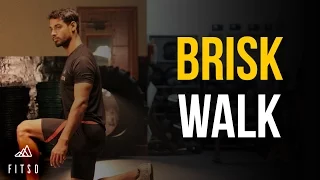
Demonstration video

Recommended by our experts
Receive your personalized program
Stop training at random.
Get my program- Program tailored to your profile
- Guided progression
- Compatible with your equipment
- Structured plan
Our coach prepares your program
Get my programHow to do Outdoor Walking
Instructions
- Stand upright with your head up, chest open, and shoulders relaxed.
- Begin walking forward at a comfortable pace while maintaining a natural stride.
- Land softly on your heel or midfoot and roll smoothly through the foot.
- Swing your arms naturally and keep a steady rhythm throughout the walk.
- Maintain your chosen pace and duration while keeping good posture.
Technical tips
- Avoid looking down for long periods to maintain proper posture.
- Keep your steps controlled and avoid overstriding.
- Increase pace gradually to improve cardiovascular demand safely.
Breathing tips
- Breathe naturally through the nose and mouth during easy walking.
- Maintain a steady breathing rhythm that matches your walking intensity.
Medical restrictions
- Severe joint pain during walking
- Acute lower limb injury
- Medical conditions requiring exercise restrictions
Description
Outdoor walking is a low-impact cardiovascular exercise that improves aerobic fitness, supports daily energy expenditure, and contributes to overall health. It strengthens the lower body muscles involved in locomotion while providing an accessible form of activity for beginners and experienced individuals.
Frequently asked questions
-
What are the benefits of doing outdoor walking?
Outdoor walking improves cardiovascular health, increases daily calorie expenditure, supports lower-body endurance, and can help maintain an active lifestyle with minimal joint stress. -
What muscles does outdoor walking target?
Outdoor walking mainly works the glutes, quadriceps, and calves, with additional involvement from the hamstrings and hip stabilizers to control each step. -
What is the most common mistake during outdoor walking?
A common mistake is walking with poor posture or overly long steps, which can reduce efficiency and increase unnecessary stress on the joints. -
Is outdoor walking safe for my knees and back?
Outdoor walking is generally safe because it is low impact, but people with existing knee, hip, or back problems should adjust intensity and consult a healthcare professional if pain occurs. -
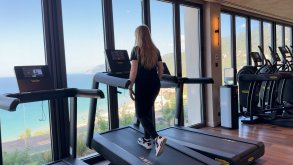
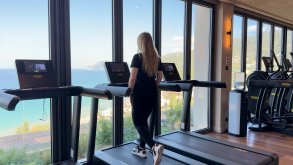
Is outdoor walking better than treadmill walking?
Outdoor walking provides changing terrain and a more natural environment, while treadmill walking offers controlled speed and incline. Both can effectively improve fitness depending on the goal.
Variants and alternatives
See all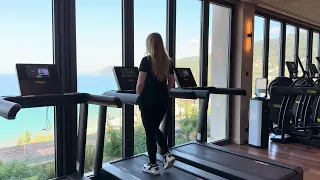
Related programs
See all
Related fitness articles
See all
Body recomposition: lose fat while building muscle
Muscle gain

Fitness formulas: protein, water, creatine and caffeine
Muscle gain

Carb cycling: useful for losing weight and performing better?
Nutrition

Muscle failure in strength training: what the science says
Muscle gain

Peptides in bodybuilding: effectiveness and risks
Nutrition
Chest pump push-up workout
Muscle gain
Succeeding at your first pull-up
At the gym

Shoulder pain in weight training: prevention and solutions
Risk of injuries
Recommended by our experts
Receive your personalized program
Stop training at random.
Get my program- Program tailored to your profile
- Guided progression
- Compatible with your equipment
- Structured plan
Our coach prepares your program
Get my program