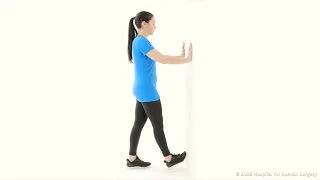
Build your endurance without equipment
Intro

A bodyweight program designed to build muscular and cardiovascular endurance through four balanced, progressive workouts that can be done anywhere.
A structured program designed to build solid bodyweight endurance without relying on a gym or specific equipment.
Who is this program for?
It is designed for intermediate trainees who want to improve their ability to sustain effort by combining muscular endurance, core stability, and bodyweight cardiovascular conditioning.
Weekly structure
- Monday: full-body endurance and core stability.
- Wednesday: upper body, core, and repeated-effort capacity.
- Friday: leg endurance and posterior chain.
- Saturday: full-body conditioning and bodyweight cardio.
Equipment and setup
No training equipment is required. A clear floor space and a stable wall are sufficient. Without a bar, straps, resistance bands, or a reliable anchor point, true upper-body pulling cannot be programmed safely; the program therefore places greater emphasis on the rear deltoids and upper back using floor-based raises. For exercises without external load, progression is achieved first through repetitions or time, then through range of motion or a more challenging variation specified in the notes.
Monday : Full-body endurance and stability
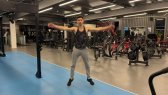

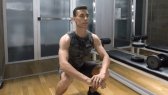
Do each exercise one after another. When you finish the list, rest then start again.
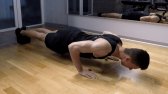
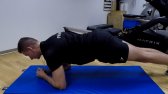
Keep about two repetitions in reserve and maintain a stable shoulder-to-hip line. Use a knee-supported variation if technique breaks down, or a variation with a pause at the bottom if 20 repetitions remain easy. Read more Read less
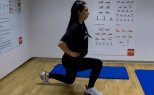
Maintain a steady tempo, keep the knees aligned with the feet, and use a controlled range of motion. Slow the descent or add a pause at the bottom if the top of the rep range becomes too easy. Read more Read less
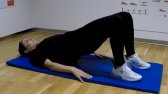
Pause for a clear contraction at the top without arching your back. Progress to the single-leg variation once 25 repetitions are easy with stable technique. Read more Read less

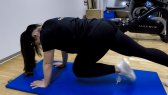
Lift your arms and legs without forcing lumbar extension. Reduce the range of motion if you feel compression in the lower back. Read more Read less
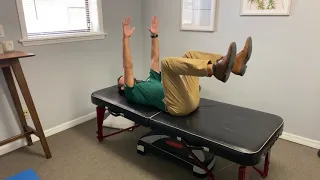
Count repetitions per side. Keep the ribs down and the lower back stable; reduce the leg range of motion if you lose this control. Read more Read less
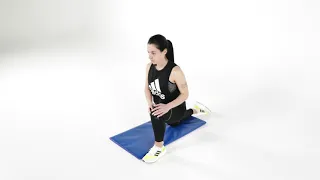
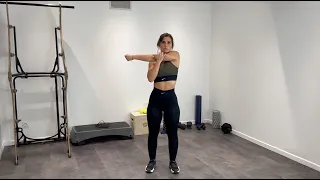
Wednesday : Upper-body and upper-back endurance
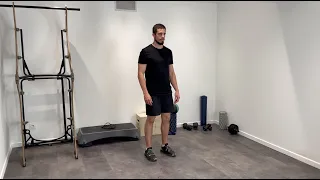
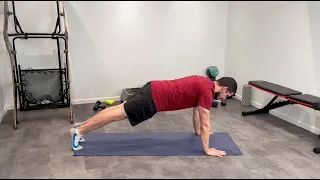

Do each exercise one after another. When you finish the list, rest then start again.
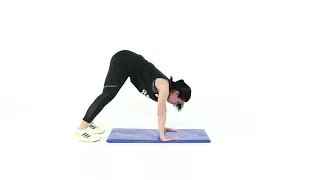
Control the descent and keep your head between your arms. Reduce the incline if the shoulders fatigue too quickly, or gradually increase the range of motion once the top of the rep range is mastered. Read more Read less
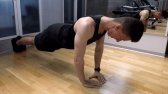
Keep the elbows angled back and the core braced. Switch to the knees if movement quality declines; increase the range of motion or choose a more challenging variation once the top of the rep range becomes easy. Read more Read less
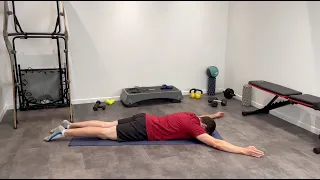
Lying face down, raise your arms into a Y without shrugging your shoulders or arching your back. Add a brief pause at the top if 20 repetitions remain easy and controlled. Read more Read less
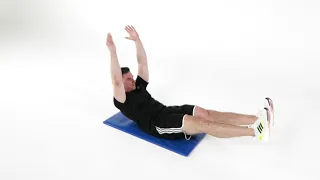
Keep your lower back on the floor. Bend the knees to make the exercise easier; extend the legs or arms farther once you can hold 40 seconds with steady breathing. Read more Read less
Do each exercise one after another. When you finish the list, rest then start again.
Keep the elbows bent in a W shape and gently draw the shoulder blades together without shrugging. Add a pause at the end of the range when the top of the rep range becomes easy. Read more Read less
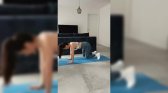
Move forward slowly with the knees close to the floor and the pelvis stable. Reduce the duration if the shoulders fatigue before the core; increase the duration only if posture remains consistent. Read more Read less
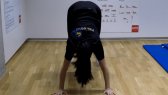
Stay smooth rather than maximal. Remove the jump if the impact becomes uncomfortable; first increase repetitions within the prescribed range before trying to move faster. Read more Read less
Friday : Leg and posterior-chain endurance
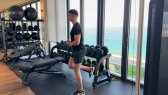
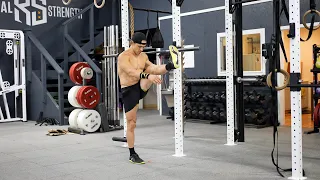
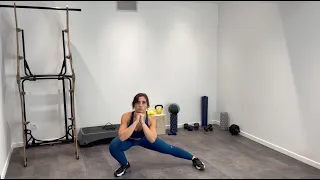
Do each exercise one after another. When you finish the list, rest then start again.
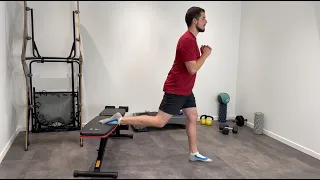
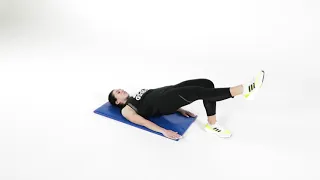
Count repetitions per side and keep the pelvis level. Return to the bilateral Glute Bridge if the hamstrings cramp or the pelvis rotates. Read more Read less
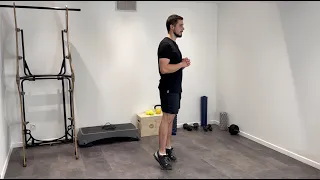
Rise high onto the ball of the foot and lower fully. Progress to the top of the rep range first, then switch to one leg if full range of motion remains easy. Read more Read less

Choose a comfortable depth and keep your back against the wall. Progress by duration first; if the upper end of the time range becomes easy, increase the depth slightly without pain. Read more Read less
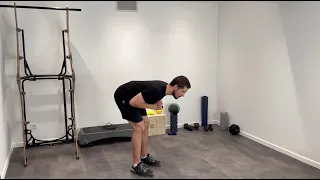
Push the hips back with a neutral spine. Progress through repetitions first, then use a deeper descent if you can maintain the same control. Read more Read less
Count repetitions per side and keep the foot of the bent leg firmly planted. Increase the range of motion only if mobility remains comfortable. Read more Read less
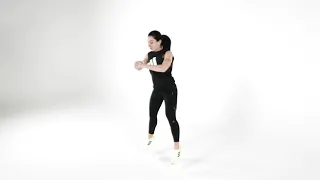
Aim for quiet, stable landings. Replace with Bodyweight Squat if the impact becomes uncomfortable or technique deteriorates. Read more Read less
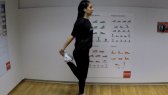
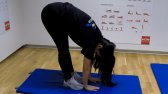
Saturday : Full-body bodyweight conditioning
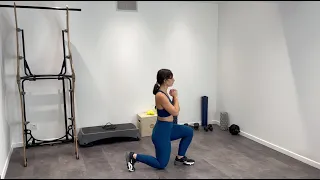
Do each exercise one after another. When you finish the list, rest then start again.
Work at a pace you can repeat across every round. Remove the jump if the impact is uncomfortable without sacrificing movement fluidity. Read more Read less
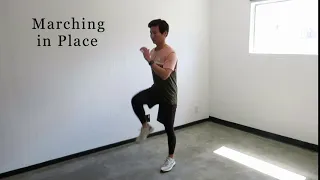
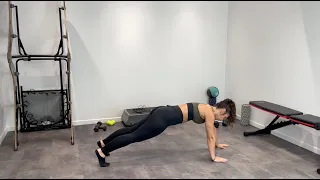
Maintain a steady pace with the pelvis stable. Choose a speed you can sustain without substantially shortening the range of motion. Read more Read less
Do each exercise one after another. When you finish the list, rest then start again.