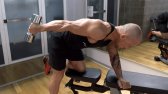
Build muscle with minimal equipment
Intro
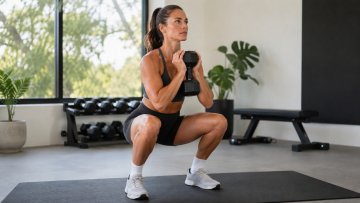
4-day dumbbell strength training program to build muscle across the entire body, make steady progress, and train effectively without machines or a fully equipped gym.
Build muscle with four balanced workouts per week, designed for an intermediate level and achievable with just a pair of dumbbells. The structure remains the same throughout the entire cycle to make performance tracking and progression easier.
Who is this program for?
This program is suitable for intermediate female trainees who want to build muscle throughout the body and have around 60 minutes available per workout. Training volume is distributed between the upper and lower body without placing excessive emphasis on any single muscle group.
Weekly structure
- Monday: lower body, quadriceps, and hamstrings.
- Tuesday: upper body, pushing and pulling.
- Thursday: lower body, posterior chain, and glutes.
- Saturday: upper body, back, shoulders, and arms.
Equipment and substitutions
Dumbbells are the only essential equipment. Depending on the exercise, a kettlebell or barbell can be used instead. A bench is optional: a heavy, completely stable chair can be used for support, while pressing exercises can be performed on the floor. A resistance band can also be used as an optional alternative when available.
How to progress
Progression is assessed separately for each main exercise. An exposure is considered successful when every prescribed set reaches the top of the repetition range. Keep approximately two repetitions in reserve as a reference for effort and execution quality. After two consecutive successful exposures, increase resistance by 5% or use the smallest practical increment available. If you can no longer reach the bottom of the range for two consecutive exposures, reduce resistance by 10%.
Monday : Lower body â quadriceps and glutes
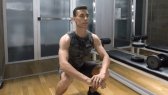
Brief warm-up before dumbbell work: use a comfortable range of motion and keep your knees tracking in line with your feet. If you feel joint discomfort, reduce the range of motion. Read more Read less
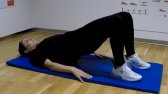
Activate the glutes without creating fatigue. Hold a brief contraction at the top and avoid overextending the lower back. Read more Read less
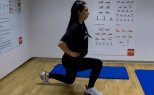
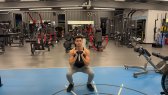
For muscle growth, use a load that leaves around 2 repetitions in reserve. Keep your core braced and use a controlled depth. If the available load becomes limiting, slow the lowering phase or increase the range of motion without compromising your position. Read more Read less
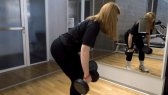
Train the hamstrings with a controlled hip hinge: push the hips back, keep a neutral spine, and keep the dumbbells close to your legs. Perform one or two progressive warm-up sets that do not count toward your working sets. Stop lowering as soon as you can no longer maintain proper position. Read more Read less
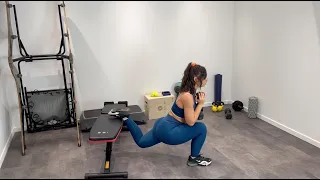
This unilateral exercise helps distribute the workload between both legs. Use a bench or a completely stable chair for the rear foot. If the setup feels uncomfortable, replace it with Dumbbell Reverse Lunge. Read more Read less
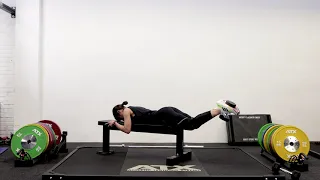
Add more direct hamstring work to better balance lower-body training volume. Hold the dumbbell securely between your feet and use a moderate load that you can control through the full range of motion. If holding the dumbbell is not secure, replace it with Dumbbell Romanian Deadlift using a lighter load. Read more Read less
Do each exercise back to back without resting between them. Rest after completing the pair.
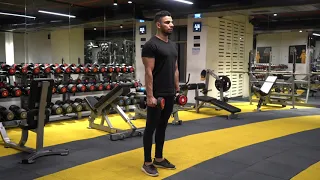
Use a full range of motion and a slow, controlled movement to maintain tension despite limited equipment. Lightly hold on to a support if needed so the exercise does not become primarily a balance challenge. Read more Read less
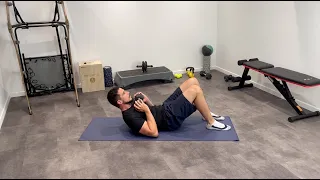
Use a light to moderate load held against the chest so progression remains measurable, as with the other main exercises. Curl the torso without pulling on the neck, and reduce the load if the lower back becomes uncomfortable. Read more Read less
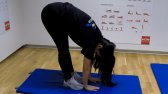
Maintain mild to moderate tension along the back of the thigh without excessively rounding the back or forcing the range of motion. Read more Read less
Tuesday : Upper body â push and pull


Do each exercise back to back without resting between them. Rest after completing the pair.
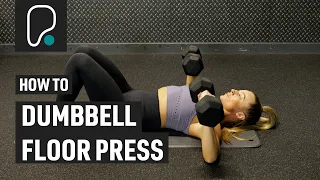
Performing this movement on the floor removes the need for a bench while remaining effective for the chest. Before your working sets, perform one or two progressive warm-up sets that do not count toward your working volume. Keep the shoulder blades stable; if the shoulder feels uncomfortable, keep the elbows slightly closer to the torso. Read more Read less
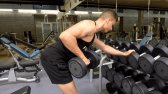
Place your free hand on a chair or stable support so you can load the back without the lower back becoming the limiting factor. Pull the elbow toward the hip and avoid rotating the torso. Read more Read less
Do each exercise back to back without resting between them. Rest after completing the pair.
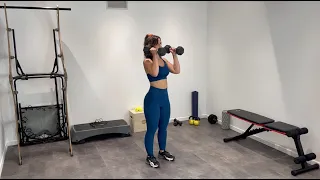
Train the shoulders while keeping the torso stable and avoiding excessive lower-back arching. If the standing position limits control, perform the exercise seated on a stable chair. Read more Read less

Add lat work using the equipment available while keeping the ribs controlled and staying within a comfortable range of motion. If you have a securely anchored resistance band, Band Lat Pulldown can replace this exercise to add a true vertical pulling movement. Read more Read less
Do each exercise back to back without resting between them. Rest after completing the pair.

For shoulder hypertrophy, prioritize strict execution over using an excessively heavy load. Raise the arms only as high as feels comfortable without shrugging the shoulders. Read more Read less
Keep the elbows relatively fixed to target the biceps. If the repetitions become jerky, reduce the load rather than using momentum. Read more Read less
Complete the triceps volume with a controlled range of motion. Keep the ribs down and reduce the range of motion if the elbows or shoulders become uncomfortable. Read more Read less
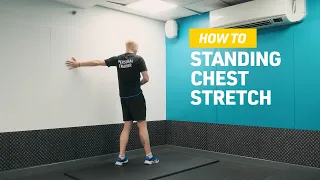
Use a gentle stretch after pressing exercises: position the arm at a comfortable height and avoid forcing the front of the shoulder. Read more Read less
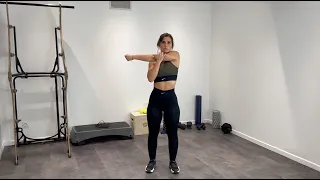
Thursday : Lower body â glutes and posterior chain
Reinforce the squat movement pattern without creating fatigue before the loaded sets. Reduce depth if the hips or knees do not yet feel comfortable. Read more Read less
Use this set to activate and feel the glutes before the loaded exercises, with a clear contraction and without arching the lower back. Read more Read less
Make this session your main hip-hinge exposure for the hamstrings and glutes. Perform one or two progressive warm-up sets that do not count toward your working sets. Keep around two repetitions in reserve and stop the range of motion before you lose control of your back position. Read more Read less
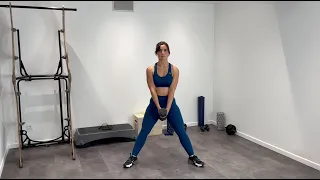
The wider stance complements the first lower-body day by placing more emphasis on the adductors and glutes. Choose a stance width that allows the knees to track naturally in the same direction as the feet. Read more Read less
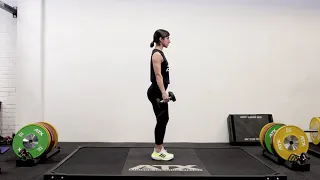
This unilateral movement does not require a bench. Take a long enough step to maintain a stable base of support, and reduce the range of motion if the knee becomes sensitive. Read more Read less
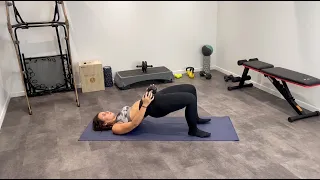
Keep direct hip-extension volume moderate to stimulate the glutes without letting them dominate the overall program. Contract the glutes at the top without overextending the lower back, and keep the feet stable. Read more Read less
Do each exercise back to back without resting between them. Rest after completing the pair.
This is the second calf exercise of the week. Hold a brief pause at the top and lower under control; use a support if needed. Read more Read less
Train the obliques with a measurable load so the exercise remains compatible with double progression. Bend the torso in a controlled manner without rotating, and choose a load that does not cause any lower-back discomfort. Read more Read less
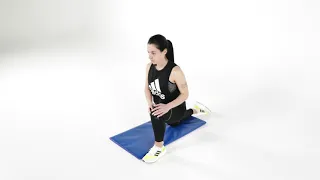
Saturday : Upper body â back, shoulders, and arms
Do each exercise back to back without resting between them. Rest after completing the pair.
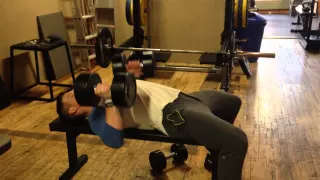
Add a second chest stimulus without requiring push-ups or a bench. Before your working sets, perform one or two progressive warm-up sets that do not count toward your working volume. Press the dumbbells together and keep the shoulders stable against the floor. Read more Read less
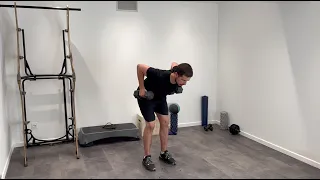
Strengthen the back with a bilateral row that differs from Tuesday's exercise. Keep the torso stable; if the lower back fatigues before the back muscles, replace it with One-Arm Dumbbell Row using support. Read more Read less
Do each exercise back to back without resting between them. Rest after completing the pair.
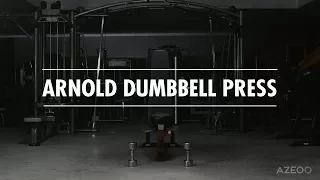
Use this pressing variation to complement shoulder training. Keep the movement smooth and reduce the amount of rotation if the front of the shoulder becomes uncomfortable. Read more Read less
Add lat work using the equipment available while keeping the ribs controlled and staying within a comfortable range of motion. If you have a securely anchored resistance band, Band Lat Pulldown can replace this exercise to add a true vertical pulling movement. Read more Read less
Do each exercise back to back without resting between them. Rest after completing the pair.
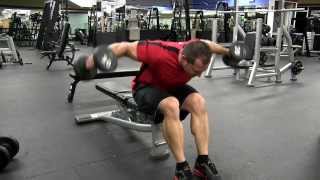
Target the rear deltoids to balance the pressing work. Keep the movement controlled and reduce the load if the upper traps begin to dominate. Read more Read less

Do each exercise back to back without resting between them. Rest after completing the pair.