Build your whole body with a balanced program
Intro
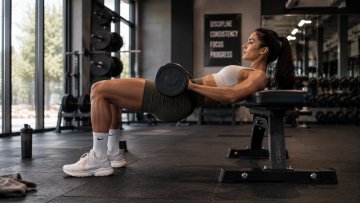
4-day gym strength training program to develop the entire body with balanced frequency, simple progression, and sessions lasting around 60 minutes.
Build muscle with four structured workouts per week, designed for an intermediate level and performed in a fully equipped gym. The upper body / lower body split regularly trains the major muscle groups, with two weekly exposures for the chest, back, and legs while allowing sufficient recovery.
Who is this program for?
This program is suitable for intermediate female trainees who want to build muscle with four workouts of around 60 minutes per week and have access to a fully equipped gym.
Weekly structure
- Monday: lower body, quadriceps, and glutes.
- Tuesday: upper body, pushing and pulling.
- Thursday: lower body, posterior chain, and glutes.
- Saturday: upper body, back, shoulders, and arms.
Equipment and organization
The program uses machines, cables, dumbbells, a barbell, and a bench. Main exercises are performed as standard sets, while some isolation exercises are grouped into supersets to maintain a good training density without compromising execution quality.
How to progress
Progression is assessed separately for each main exercise. An exposure is considered successful when all prescribed sets reach the top of the repetition range. Keep approximately 2 repetitions in reserve as a reference for effort and execution quality. After two consecutive successful exposures, increase resistance using the smallest practical increment available, generally around 2.5 to 5%. Warm-up ramp-up sets do not count as working sets or toward progression.
Monday : Lower body â quadriceps and glutes

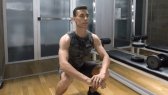
Warm-up sets only: gradually increase the load without approaching failure. They do not count as working sets and do not trigger progression. Read more Read less
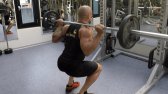
Keep approximately 2 repetitions in reserve and maintain a consistent range of motion. Warm-up sets are already included in the warm-up; only the four working sets count toward progression. Reduce the load if depth or control deteriorates. Read more Read less
Prioritize full hip extension without hyperextending the lower back. Keep the load controlled enough to feel the glutes working throughout the entire set. Read more Read less
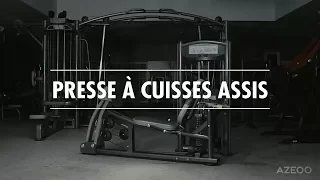
Use a range of motion that allows you to keep the pelvis stable against the backrest. Avoid forcefully locking the knees at the end of each repetition. Read more Read less
Do each exercise back to back without resting between them. Rest after completing the pair.
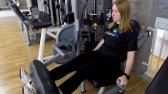
Train the quadriceps with a controlled load and without momentum. Slightly reduce the range of motion if the knees become uncomfortable. Read more Read less
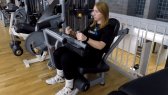
Keep the pelvis firmly against the seat and control the return phase. This superset balances the work between the front and back of the thighs without adding substantial systemic fatigue. Read more Read less

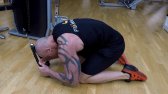
Add direct core work without unnecessarily extending the session. Curl the torso under control without pulling with the arms, and keep approximately 2 repetitions in reserve. Read more Read less

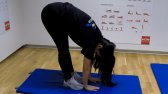
Tuesday : Upper body â push and pull
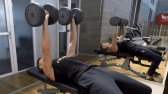
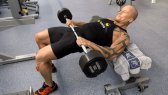
Warm-up sets only: gradually increase the dumbbell load while keeping the shoulder blades stable and the movement path controlled. They do not count as working sets and do not trigger progression. Read more Read less
Keep the shoulder blades stable and maintain a consistent movement path with the dumbbells. Warm-up sets are already included in the warm-up; only the three working sets count toward progression. Keep approximately 2 repetitions in reserve and use a comfortable range of motion without letting the shoulders roll forward. Read more Read less
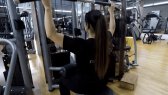
Pull toward the upper chest without swinging the torso. Choose a comfortable grip that allows clean execution across all sets. Read more Read less
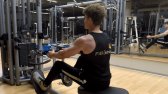
Do each exercise back to back without resting between them. Rest after completing the pair.
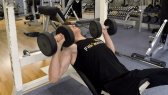

Pull the rope toward the face with the elbows high but controlled. This exercise complements the pressing volume by strengthening the upper back and rear deltoids. Read more Read less
Do each exercise back to back without resting between them. Rest after completing the pair.

Use a load that allows you to raise the arms without swinging the torso. Stop the set if the movement becomes dominated by the trapezius muscles. Read more Read less
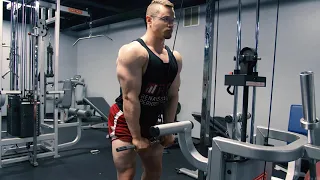
Keep the elbows close to the body and avoid compensating with the shoulders. A selectorized machine is an alternative if the cable station is unavailable. Read more Read less
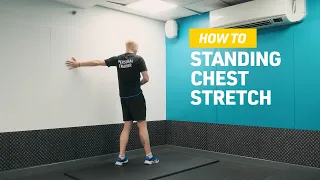
Thursday : Lower body â posterior chain and glutes
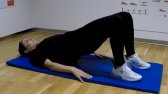
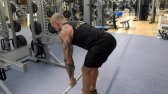
Warm-up sets only: gradually increase the load while maintaining a clean hip-hinge pattern. They do not count as working sets and do not trigger progression. Read more Read less
Aim for strong hamstring tension while keeping the back neutral and the bar close to the legs. Warm-up sets are already included in the warm-up; only the three working sets count toward progression. Stop the descent when pelvic or back position begins to deteriorate. Read more Read less

Use the machine's stability to accumulate training volume for the thighs. Use a controlled range of motion that remains comfortable for the knees and pelvis. Read more Read less
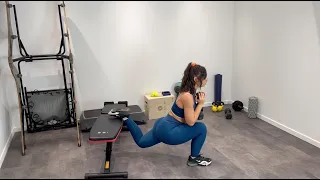
Train one leg at a time to complement the glute and thigh volume. Use light support if needed for stability without turning the exercise into a balance drill. Read more Read less
Do each exercise back to back without resting between them. Rest after completing the pair.
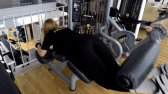

Keep the pelvis facing forward and use a controlled range of motion. This work complements glute development without substantially increasing overall session fatigue. Read more Read less
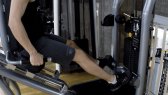
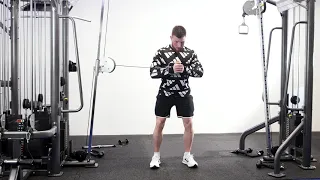
Complete the core work with measurable resistance. Keep the pelvis and chest facing forward and resist rotation without holding your breath. Read more Read less
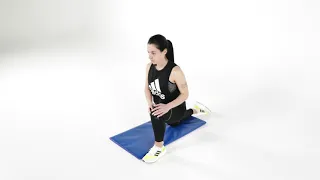
Saturday : Upper body â back, shoulders, and arms
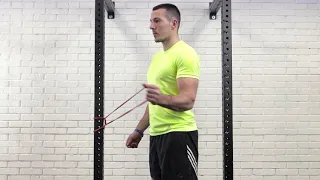
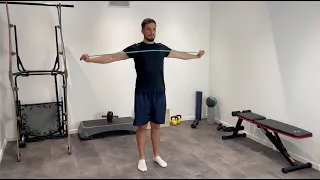
Use a light resistance band and keep the elbow close to the body to prepare the shoulders before pressing and pulling exercises. Read more Read less
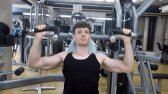
Warm-up sets only: gradually increase the load while maintaining a comfortable movement path. They do not count as working sets and do not trigger progression. Read more Read less
Use the backrest to stabilize the torso and maintain a comfortable movement path for the shoulders. Keep approximately 2 repetitions in reserve on the working sets. Read more Read less
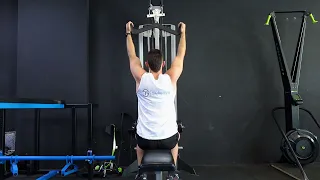
Use a comfortable neutral grip and pull toward the upper chest without swinging the torso. This variation replaces assisted pull-ups so that increasing resistance always corresponds to increasing difficulty within the automatic progression. Read more Read less
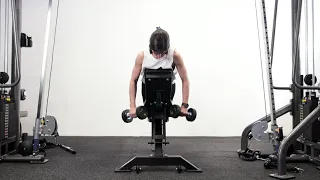
Chest support limits lower-back fatigue and allows you to focus the effort on the back. Keep the shoulders away from the ears during the pull. Read more Read less
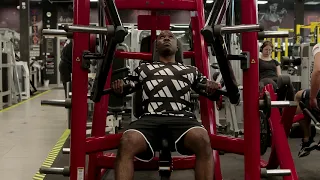
Second direct chest stimulus of the week. Adjust the seat to maintain a comfortable movement path, keep the shoulder blades stable, and maintain approximately 2 repetitions in reserve. Read more Read less
Do each exercise back to back without resting between them. Rest after completing the pair.

Maintain continuous tension and avoid momentum. Use a moderate load to keep the movement path clean throughout the entire set. Read more Read less
Keep the chest stable against the pad and open the arms without shrugging the shoulders to complement rear-deltoid training. Read more Read less
Do each exercise back to back without resting between them. Rest after completing the pair.