Kneeling Plank Walkout
Demonstration video
Recommended by our experts
Receive your personalized program
Stop training at random.
Get my program- Program tailored to your profile
- Guided progression
- Compatible with your equipment
- Structured plan
Our coach prepares your program
Get my programHow to do Kneeling Plank Walkout
Instructions
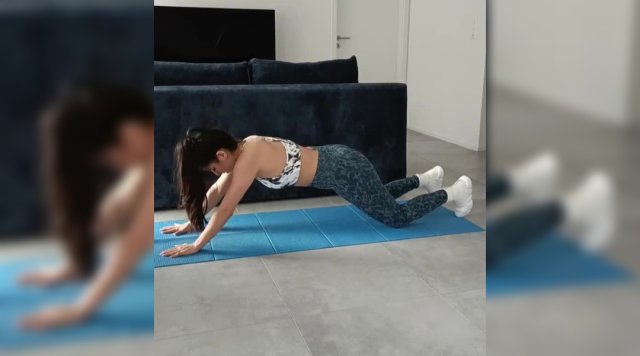
- Start on your knees on a yoga mat, hands placed under shoulders.
- Slowly walk your hands forward, extending your torso while keeping your core engaged.
- Stop when your arms are fully extended and you feel your abs working.
- Hold briefly, then walk your hands back to the starting position.
Technical tips
- Keep your hips from sagging to protect your lower back.
- Move slowly and with control during the hand walkout.
- Engage your core throughout the movement.
Breathing tips
- Inhale as you walk your hands forward.
- Exhale as you return to the starting position.
Medical restrictions
- Avoid if you have lower back pain or herniated discs.
- Not recommended for individuals with shoulder instability.
- Consult a professional if recovering from abdominal surgery.
Description
The Kneeling Plank Walkout is a core-strengthening exercise designed to improve stability, endurance, and control. It is a beginner-friendly alternative to advanced rollout movements such as the ab wheel rollout, making it accessible while still highly effective for building core strength. By starting from a kneeling plank position and gradually walking the hands forward, this exercise places controlled tension on the abdominal muscles, lower back, and shoulders. The movement challenges the deep stabilizing muscles of the core, helping improve posture and functional strength for everyday activities.
One of the main advantages of the Kneeling Plank Walkout is its scalability. Beginners can stop the walkout earlier to reduce intensity, while more advanced individuals can extend farther for increased difficulty. This makes it a versatile exercise for progressive overload and long-term core development. Additionally, it enhances proprioception and body control since the practitioner must maintain a neutral spine and avoid sagging at the hips throughout the motion.
The Kneeling Plank Walkout can be performed anywhere with just a yoga mat, requiring no additional equipment. It is also joint-friendly compared to more advanced rollouts, making it a safe option for individuals looking to strengthen their abs while protecting their lower back. Incorporating this movement into your routine will help develop stronger, more resilient core muscles and improve stability in both fitness training and daily activities.
Credits

Frequently asked questions
-
What are the benefits of doing the Kneeling Plank Walkout?
The Kneeling Plank Walkout strengthens the core, improves stability, enhances posture, and builds control without requiring equipment. It also engages shoulders and back for full-body support. -
What is the most common mistake in the Kneeling Plank Walkout?
The most common mistake is letting the hips sag, which puts pressure on the lower back. Keeping a strong core and neutral spine prevents this issue. -
Is the Kneeling Plank Walkout safe for my lower back?
Yes, it is safe when performed correctly with controlled movement and proper core engagement. Avoid excessive extension if you have a history of lower back problems. -
How does the Kneeling Plank Walkout compare to the Ab Wheel Rollout?
The Kneeling Plank Walkout is more beginner-friendly and requires no equipment, while the Ab Wheel Rollout is more advanced and provides greater intensity on the abs. -
How many reps of Kneeling Plank Walkouts should I do?
Start with 6 to 10 controlled reps per set, focusing on form. Gradually increase the number of walkouts or extend farther as your core strength improves.
Variants and alternatives
See all
Plank jacks
Intermediate

Side plank on knees
Beginner

Spiderman plank
Intermediate
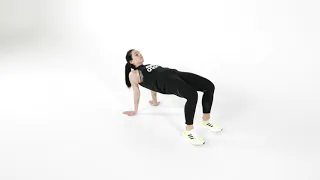
Reverse plank
Intermediate
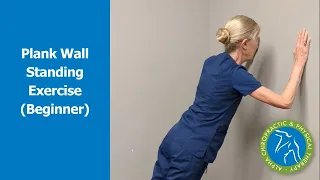
Wall plank
Beginner
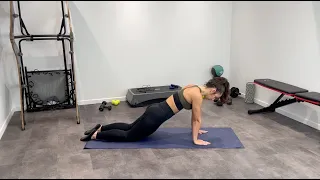
Knee plank with extended arms
Beginner
Side plank
Intermediate
Banded plank
Intermediate
Superman plank
Intermediate
Plank with band pull
Intermediate
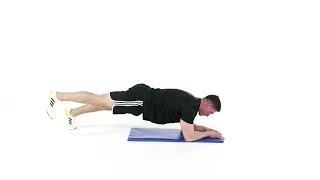
One-leg plank
Intermediate
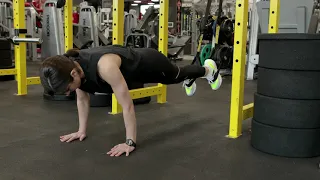
Trx plank
Intermediate
Related fitness articles
See all
Body recomposition: lose fat while building muscle
Muscle gain

Fitness formulas: protein, water, creatine and caffeine
Muscle gain

Carb cycling: useful for losing weight and performing better?
Nutrition

Muscle failure in strength training: what the science says
Muscle gain

Peptides in bodybuilding: effectiveness and risks
Nutrition
Chest pump push-up workout
Muscle gain
Succeeding at your first pull-up
At the gym

Shoulder pain in weight training: prevention and solutions
Risk of injuries
Recommended by our experts
Receive your personalized program
Stop training at random.
Get my program- Program tailored to your profile
- Guided progression
- Compatible with your equipment
- Structured plan
Our coach prepares your program
Get my program