4-day at-home muscle-building program with no equipment
Intro
An 8-week at-home plan for building muscle in four workouts, with no equipment, progressive overload, core work, and full-body training.
Build muscle at home with an 8-week program structured around four Upper/Lower workouts. Designed for beginner to intermediate trainees, it combines bodyweight exercises, controlled tempo, progressive volume, and core work. Ideal for training without equipment while working the entire body methodically.
Do each exercise one after another. When you finish the list, rest then start again.

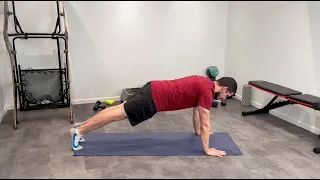
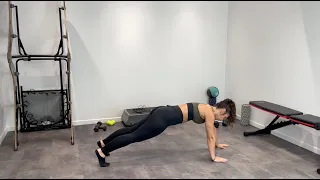
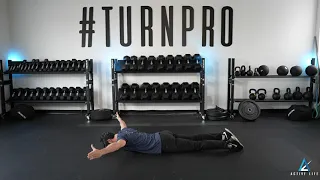
Do each exercise back to back without resting between them. Rest after completing the pair.
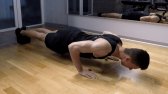
8-week progression: W1–2 at 2 RIR, W3–4 add reps, W5 slow the lowering phase, W6 approach 1 RIR, W7 remove 30–40% of the sets, and W8 test the top of the rep range without technical failure. Read more Read less
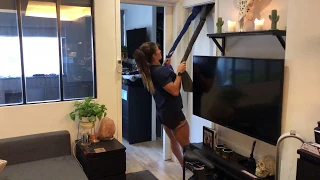
Create resistance with your own arms by pulling the elbows backward; without equipment, this movement helps stimulate the back, although a bar or resistance band would be more effective. Read more Read less
Do each exercise back to back without resting between them. Rest after completing the pair.
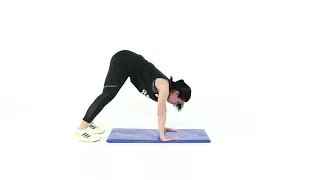
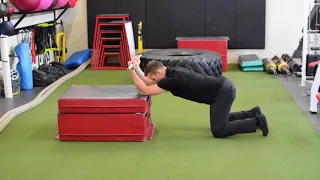
Targets the shoulders; beginner: reduce the range of motion. Intermediate: move the feet closer to the hands and control the lowering phase. Read more Read less
Pull the elbows toward the ribs as in a vertical pull; deliberately contract the lats on every rep to compensate for the lack of a cable machine. Read more Read less
Do each exercise back to back without resting between them. Rest after completing the pair.
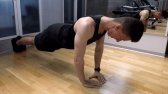

Resist with the opposite hand throughout both the lifting and lowering phases; increase manual resistance rather than speed. Read more Read less
Do each exercise back to back without resting between them. Rest after completing the pair.
Muscle-building nutrition guideline: aim for a daily surplus of 250–350 kcal, 1.6–2.2 g of protein per kilogram of body weight, and a weekly body-weight gain of 0.25–0.5%. Read more Read less
Do each exercise one after another. When you finish the list, rest then start again.


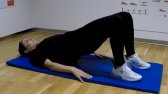
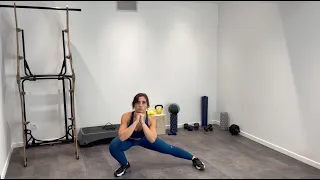
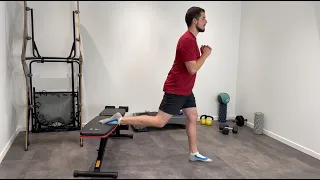
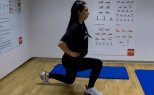
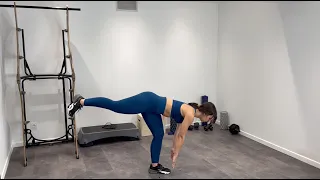
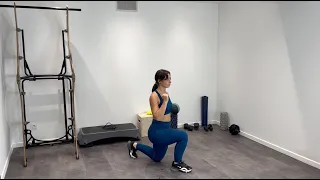
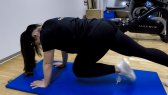
Perform the reps on each leg. Beginner: use a moderate range of motion and light support against a wall if needed. Intermediate: lower slowly, pause at the bottom, and keep one to two reps in reserve. Read more Read less

Do each exercise back to back without resting between them. Rest after completing the pair.
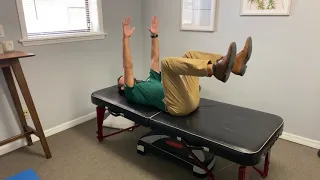
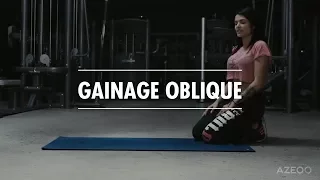
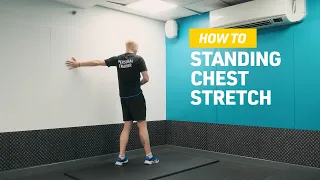
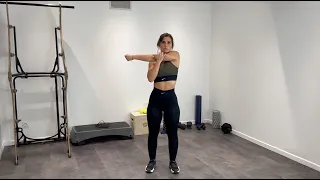
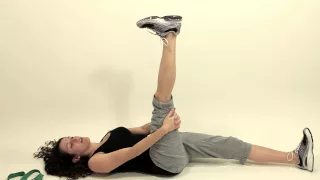
Perform the hold for the prescribed duration on each side; keep the shoulder away from the ear and avoid rotating the pelvis. Read more Read less
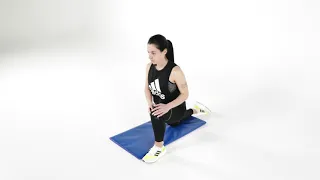
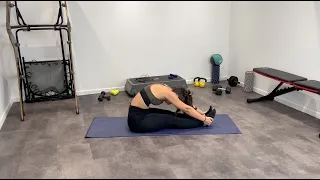
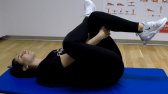
Do each exercise one after another. When you finish the list, rest then start again.

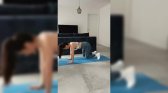
Do each exercise back to back without resting between them. Rest after completing the pair.
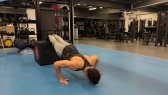
Beginner: replace this with a standard push-up. Intermediate: use a slow lowering phase and progress to a harder variation once you can complete 12 clean reps. Read more Read less
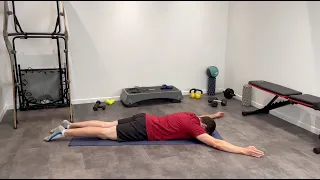
Gently squeeze the shoulder blades together at the end of the movement to strengthen the upper back and preserve shoulder balance. Read more Read less
Do each exercise back to back without resting between them. Rest after completing the pair.

Apply resistance with the opposite hand; keep the elbow fixed and make the lowering phase as challenging as the lifting phase. Read more Read less
Do each exercise back to back without resting between them. Rest after completing the pair.
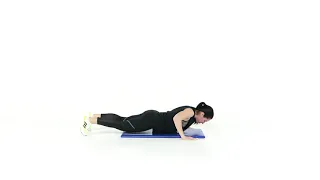

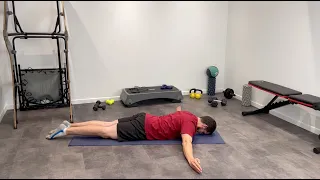
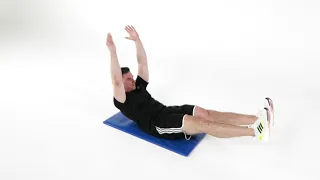
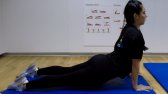
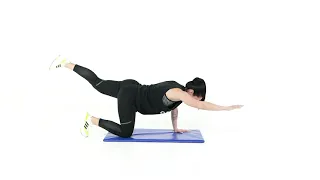
Raise the arms and legs without exaggerating the back arch; prioritize activation of the back and glutes over a large range of motion. Read more Read less
Do each exercise back to back without resting between them. Rest after completing the pair.
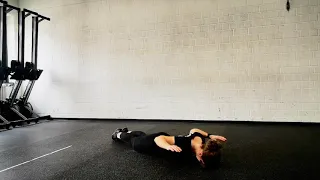
Raise the arms without shrugging the shoulders; this helps strengthen the lower trapezius and stabilize the shoulder blades. Read more Read less
Do each exercise back to back without resting between them. Rest after completing the pair.
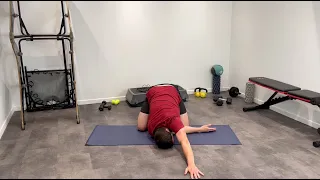
Do each exercise one after another. When you finish the list, rest then start again.
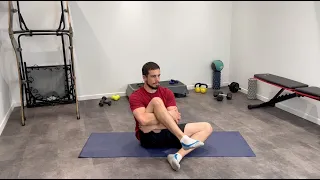

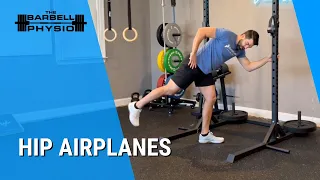

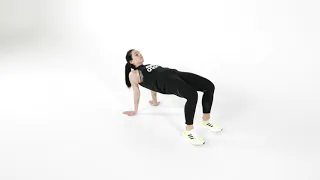
Beginner: maintain a steady pace. Intermediate: use a slow lowering phase, pause at the bottom, and perform controlled reps to create more tension without external load. Read more Read less
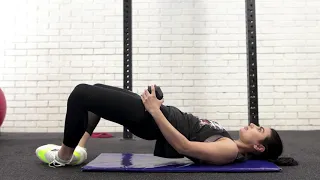
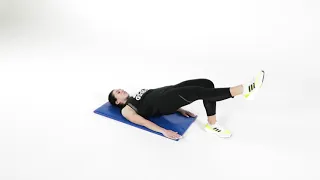
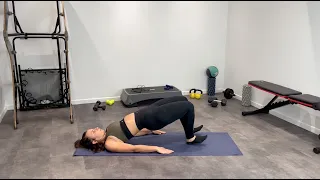
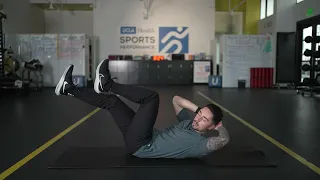
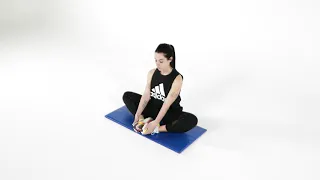
Keep the soles of the feet together and squeeze the glutes at the top; this is useful for adding volume without loading the back. Read more Read less

Do each exercise back to back without resting between them. Rest after completing the pair.

Record your reps, difficulty, and average body weight each week; if your weight does not increase for two weeks, add 100–150 kcal per day. Read more Read less
Frequently asked questions
-
Who is this 4-day at-home muscle-building program for?
This program is designed for beginner to intermediate trainees who want to build muscle without going to a gym. It is particularly suitable if you already know how to perform basic bodyweight movements such as push-ups, squats, and lunges. -
How many workouts should I do each week?
The program includes four workouts per week, ideally scheduled for Monday, Tuesday, Thursday, and Friday. This setup trains the upper and lower body twice a week while preserving recovery days. -
How long does each workout take?
Each workout generally takes 60 to 75 minutes, depending on your pace, rest periods, and experience level. Workouts may approach 90 minutes if you take longer rests or perform every set with a very controlled tempo. -
Do I need any equipment to follow this program?
No. The program is designed to require no equipment. Every exercise uses bodyweight or self-resistance, allowing you to train at home without dumbbells, machines, or resistance bands. -
Can you really build muscle without equipment?
Yes, especially if you progress by increasing repetitions, adjusting tempo, expanding your range of motion, and improving execution quality. However, progress for the back and biceps will be more limited than with a pull-up bar, resistance bands, or weights. -
How should I progress over the eight weeks?
Start with one to two repetitions in reserve, gradually add repetitions, then increase the difficulty with slower lowering phases, pauses, or more challenging variations. Week 7 reduces volume to improve recovery before you test your progress in week 8. -
What should I do if I feel too fatigued during the week?
First reduce the number of sets by 20–30% rather than changing the entire workout. Maintain good technique, avoid routinely training to muscular failure, and keep the rest days between the Upper/Lower blocks. -
Can I change the training days if I am unavailable on Monday, Tuesday, Thursday, and Friday?
Yes, provided you preserve the following structure: two upper-body workouts and two lower-body workouts per week, with at least one rest day after two consecutive training days. Avoid scheduling all four workouts on four consecutive days.