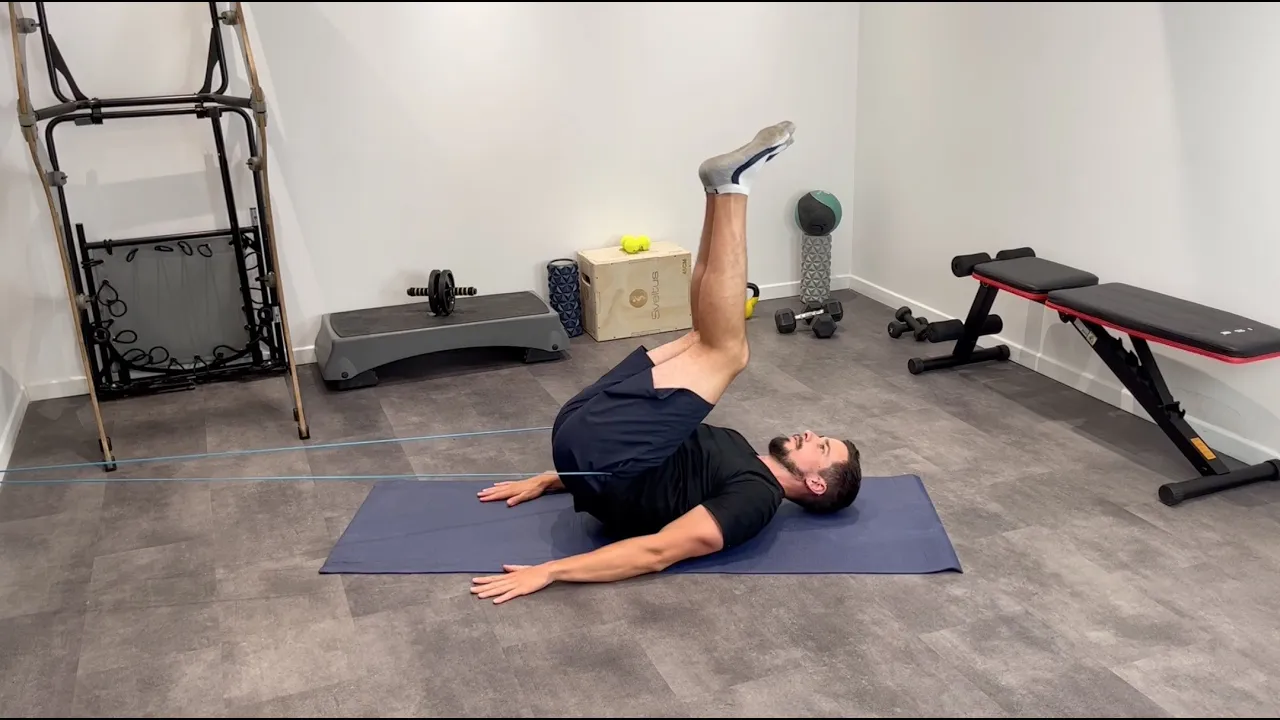
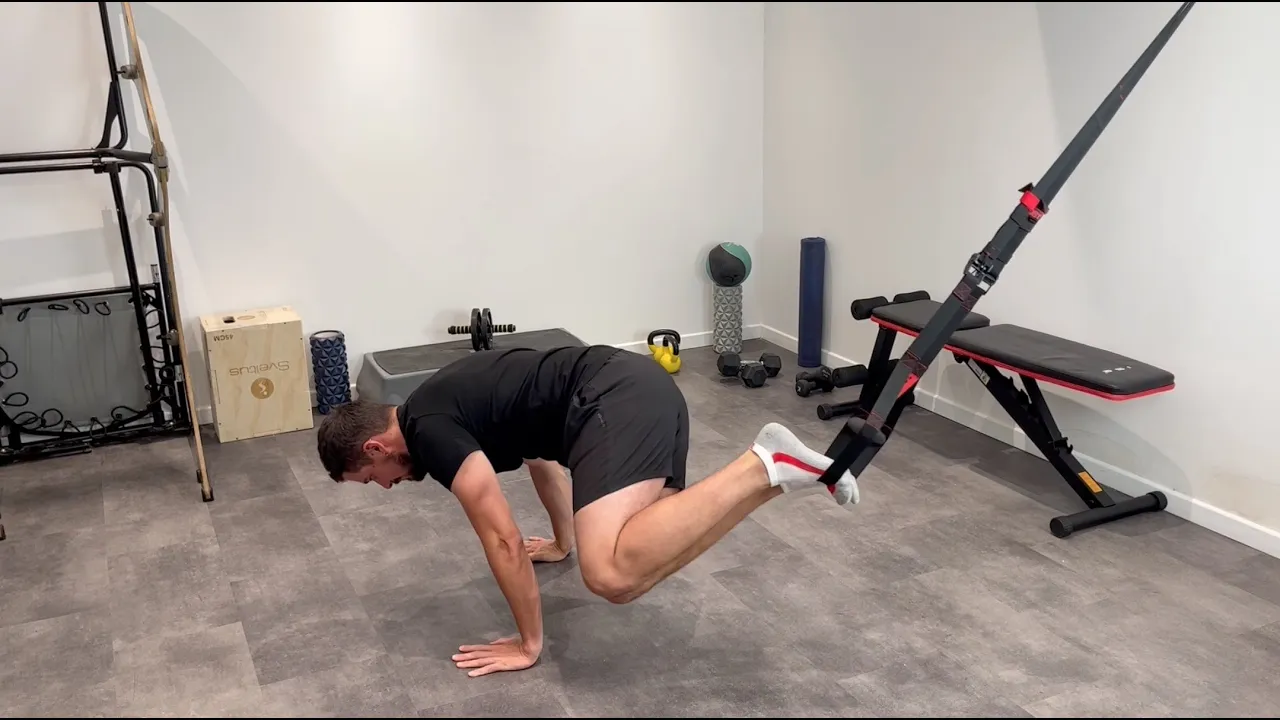
Demonstration video
Receive your personalized program
Stop training at random.
Get my programGet a program adapted to your goals, level, and available equipment. Reach your goals faster with a structured plan designed just for you.
- Program tailored to your profile
- Guided progression
- Compatible with your equipment
- Structured plan
Our coach prepares your program
Get my programHow to do Cable crunch
Instructions
- Attach a rope handle to a high pulley.
- Kneel facing the machine with the rope held behind your neck or beside your head.
- Keep your hips stationary and crunch down by flexing your spine forward.
- Pause briefly at the bottom, contracting your abs fully.
- Slowly return to the starting position with control.
Technical Tips
- Avoid pulling with your arms; movement should come from the abs.
- Keep the rope close to your head for optimal spinal flexion.
- Maintain a neutral spine to avoid lower back strain.
- Engage your core throughout the movement.
Breathing Tips
- Exhale as you crunch downward.
- Inhale as you return to the starting position.
Medical restrictions
- Individuals with lumbar disc herniation or chronic lower back pain should avoid this exercise.
- Not recommended for those with cervical spine issues due to rope placement near the neck.
Description
The Abdominal Pulley Crunch, also known as the Cable Crunch, is a core-strengthening exercise that uses a cable machine to provide resistance during spinal flexion. Performed from a kneeling position, it allows for controlled contraction of the abdominal muscles under load, making it ideal for individuals seeking to develop a defined and strong midsection. The cable setup ensures constant tension throughout the movement, helping maximize muscle activation. Its controlled nature makes it a preferred option for hypertrophy and performance-based core routines. By allowing for adjustable resistance, the exercise is suitable for intermediate lifters aiming to progressively challenge their abs. The cable crunch emphasizes proper technique and spine control, which can help in reducing the risk of injury while promoting optimal muscle engagement.
Read more
Read less
Description
The Abdominal Pulley Crunch, also known as the Cable Crunch, is a core-strengthening exercise that uses a cable machine to provide resistance during spinal flexion. Performed from a kneeling position, it allows for controlled contraction of the abdominal muscles under load, making it ideal for individuals seeking to develop a defined and strong midsection. The cable setup ensures constant tension throughout the movement, helping maximize muscle activation. Its controlled nature makes it a preferred option for hypertrophy and performance-based core routines. By allowing for adjustable resistance, the exercise is suitable for intermediate lifters aiming to progressively challenge their abs. The cable crunch emphasizes proper technique and spine control, which can help in reducing the risk of injury while promoting optimal muscle engagement.
Read more Read lessFAQ
Frequently asked questions
-
What muscles do cable crunches target?
Cable crunches primarily target the abdominal muscles, especially the rectus abdominis, while also engaging the obliques and lower back for stability. -
Is the cable crunch better than regular crunches?
Cable crunches are generally more effective than regular crunches for building abdominal strength due to the added resistance and constant tension throughout the movement. -
How many reps of cable crunches should I do?
For muscle growth, aim for 10–15 controlled reps per set using moderate resistance. Focus on form and abdominal contraction rather than high rep counts. -
Can beginners do cable crunches?
Cable crunches are more suitable for intermediate users, but beginners can start with light resistance and proper form under supervision to avoid strain.