Straight Arm Lat Stretch
Demonstration video

Recommended by our experts
Receive your personalized program
Stop training at random.
Get my program- Program tailored to your profile
- Guided progression
- Compatible with your equipment
- Structured plan
Our coach prepares your program
Get my programHow to do Straight Arm Lat Stretch
Instructions
- Stand facing an Olympic bar set at chest height.
- Place both hands shoulder-width apart on the bar with straight arms.
- Step back and hinge at the hips until your torso is parallel to the floor.
- Allow your chest to drop slightly toward the ground to deepen the stretch.
- Hold the position while keeping arms extended and back flat.
- Return slowly to the starting position.
Technical tips
- Keep arms straight without locking the elbows.
- Maintain a neutral spine throughout the stretch.
- Engage your core to avoid excessive lower back arch.
- Shift hips slightly backward to increase the lat stretch.
Breathing tips
- Inhale as you prepare and hinge at the hips.
- Exhale slowly as you lower your torso and feel the stretch.
- Breathe deeply and evenly while holding the stretch.
Medical restrictions
- Shoulder impingement or acute shoulder injuries
- Severe lower back pain or lumbar disc issues
- Recent upper body surgery or inflammation
Description
The Straight Arm Lat Stretch is a fundamental mobility exercise designed to improve flexibility in the latissimus dorsi and enhance upper body range of motion. Using an Olympic bar for support, this stretch allows athletes and fitness enthusiasts to target the lats while also engaging the lower back and core for stability. It is especially valuable for individuals who need better shoulder mobility for overhead movements such as presses, pull-ups, and Olympic lifts.
By keeping the arms straight and the hips pushed back, the exercise lengthens the muscles of the upper back and shoulders without compressing the spine. The Straight Arm Lat Stretch can help reduce tension caused by prolonged sitting, poor posture, or repetitive pulling motions. Incorporating this stretch into warm-ups can prepare the body for intense workouts, while including it in cool-down routines can aid in recovery and decrease muscle stiffness.
This exercise is accessible for beginners yet remains highly effective for advanced athletes who want to maintain shoulder and thoracic spine mobility. It also supports better breathing mechanics by improving rib cage expansion and reducing tightness in the upper torso. For optimal results, the stretch should be performed slowly and controlled, focusing on proper hip hinge and neutral spine alignment.
Frequently asked questions
-
What muscles does the Straight Arm Lat Stretch target?
The Straight Arm Lat Stretch primarily targets the latissimus dorsi while also engaging the lower back, abs, and hip stabilizers to maintain posture. -
What are the benefits of doing the Straight Arm Lat Stretch?
This stretch improves shoulder and thoracic mobility, reduces upper back tightness, enhances posture, and prepares the body for overhead exercises like pull-ups and presses. -
What is the most common mistake in the Straight Arm Lat Stretch?
A common mistake is arching the lower back excessively or bending the elbows, which reduces the stretch on the lats and can cause discomfort. -
Is the Straight Arm Lat Stretch safe for people with shoulder issues?
It is generally safe if performed gently and without forcing the range of motion. Those with shoulder impingement or acute pain should consult a professional before attempting it. -
How long should I hold the Straight Arm Lat Stretch?
Hold the stretch for 20 to 40 seconds per set, focusing on deep breathing and controlled movement to maximize flexibility and comfort. -
How does the Straight Arm Lat Stretch compare to the Kneeling Lat Stretch on Bench?
Both target the lats, but the Straight Arm Lat Stretch offers more hip hinge engagement and is better suited for standing positions, while the kneeling version may provide deeper lat isolation and is easier for those with limited balance.
Variants and alternatives
See all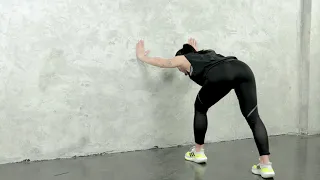
Related fitness articles
See all
Body recomposition: lose fat while building muscle
Muscle gain

Fitness formulas: protein, water, creatine and caffeine
Muscle gain

Carb cycling: useful for losing weight and performing better?
Nutrition

Muscle failure in strength training: what the science says
Muscle gain

Peptides in bodybuilding: effectiveness and risks
Nutrition
Chest pump push-up workout
Muscle gain
Succeeding at your first pull-up
At the gym

Shoulder pain in weight training: prevention and solutions
Risk of injuries
Recommended by our experts
Receive your personalized program
Stop training at random.
Get my program- Program tailored to your profile
- Guided progression
- Compatible with your equipment
- Structured plan
Our coach prepares your program
Get my program