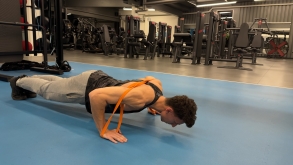
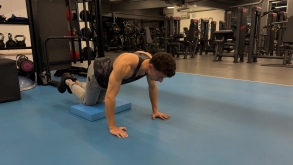
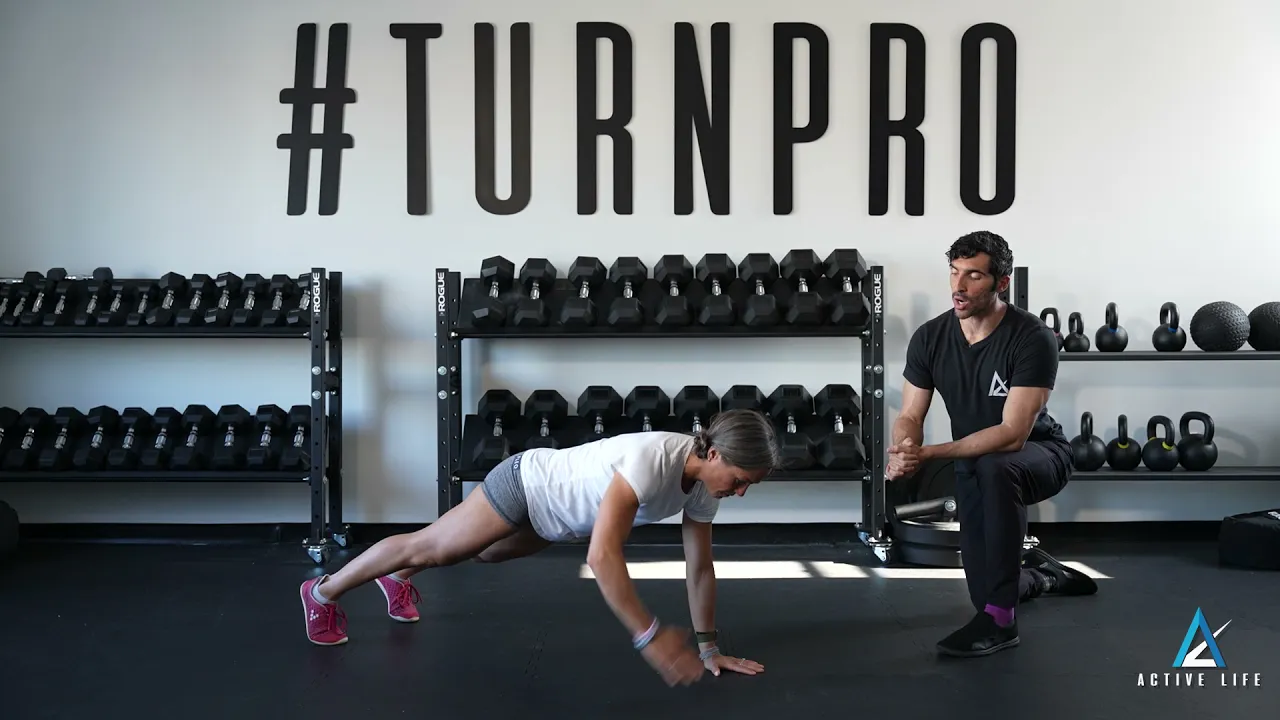
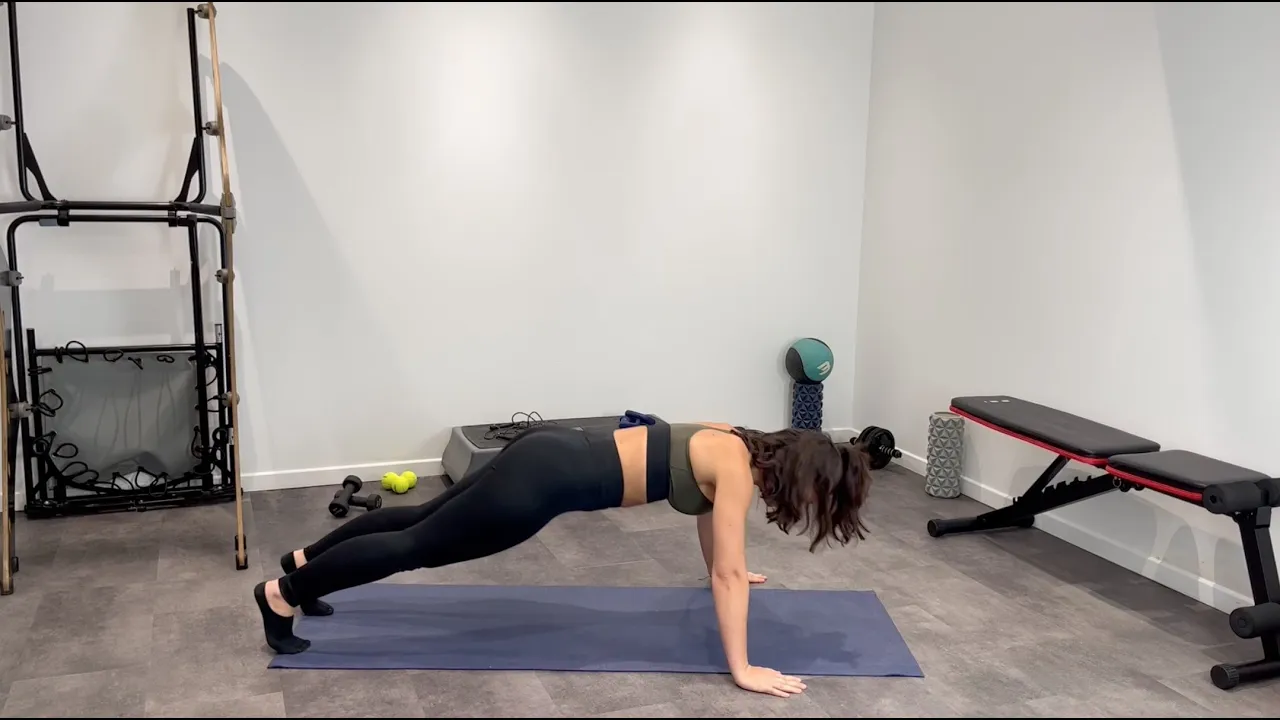
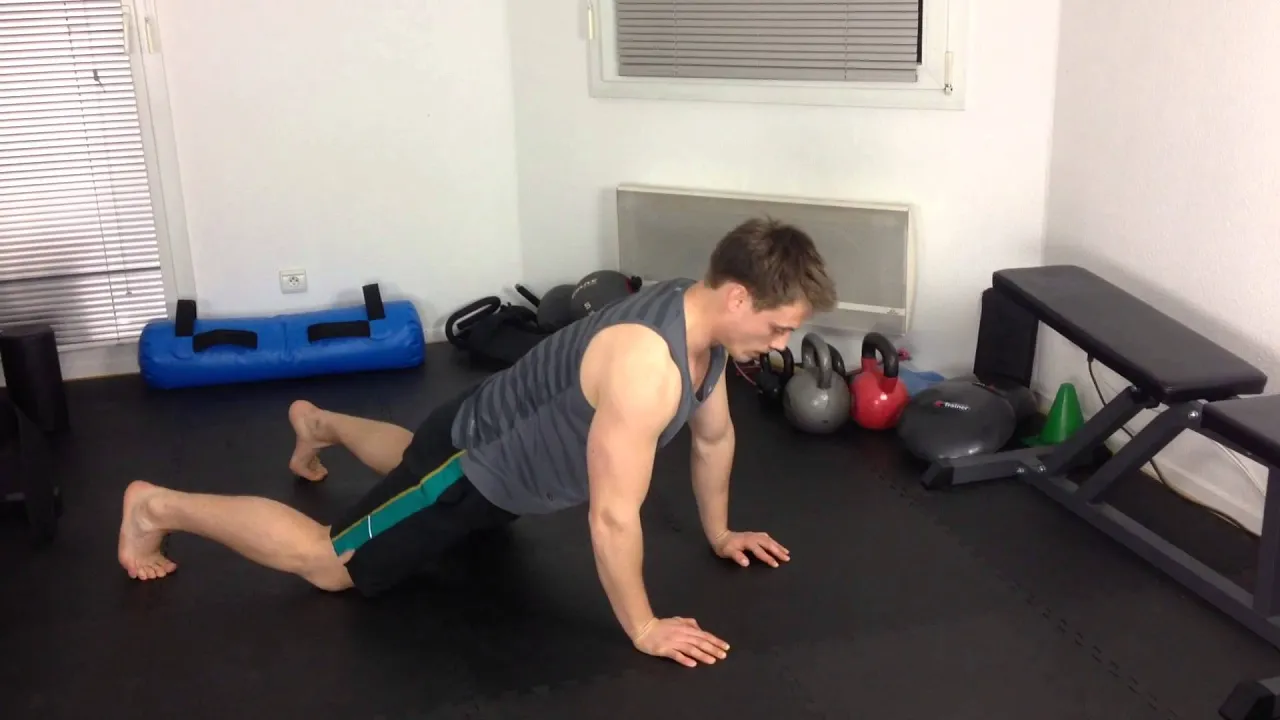
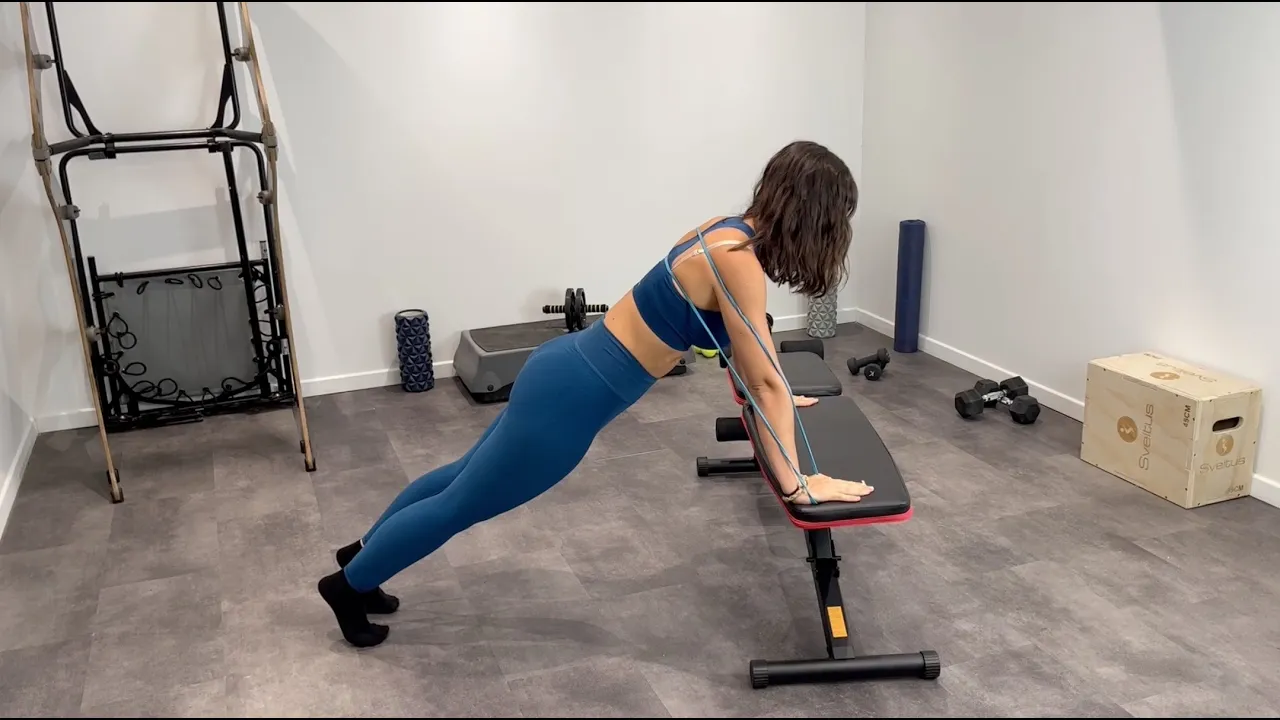
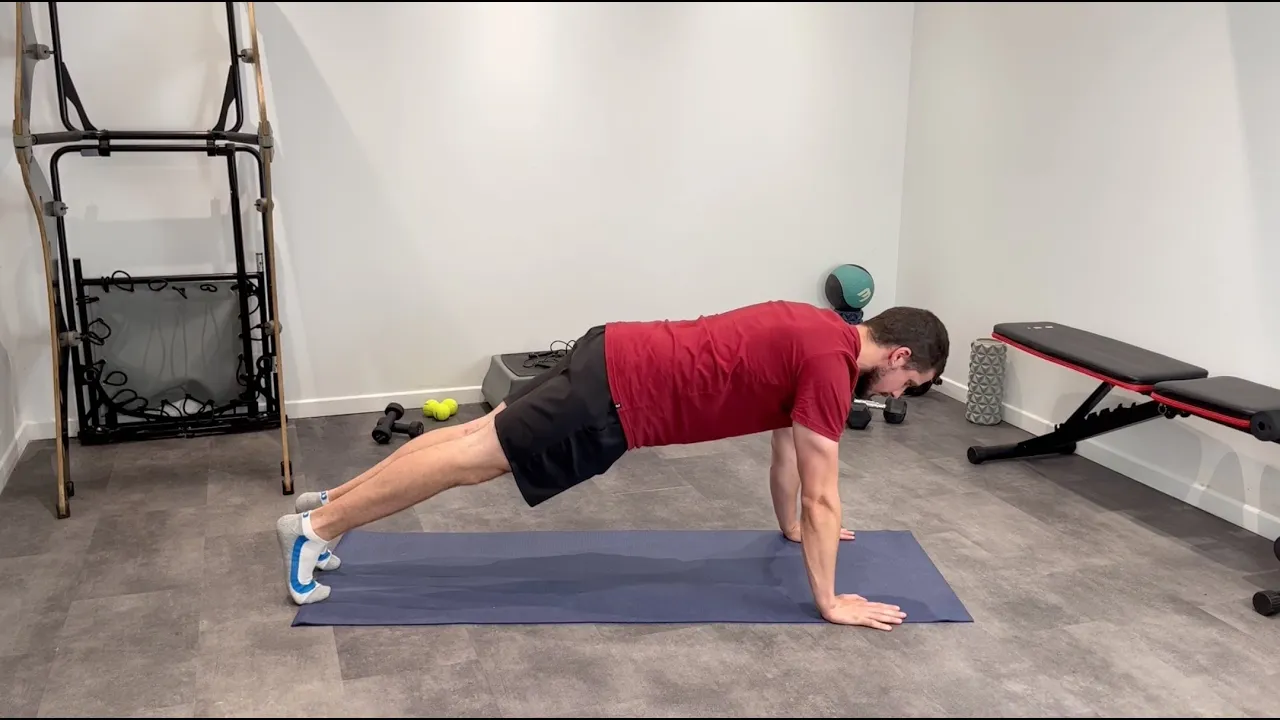
Demonstration video
Receive your personalized program
Stop training at random.
Get my programGet a program adapted to your goals, level, and available equipment. Reach your goals faster with a structured plan designed just for you.
- Program tailored to your profile
- Guided progression
- Compatible with your equipment
- Structured plan
Our coach prepares your program
Get my programHow to do the parallettes push-up
Instructions
- Place parallettes shoulder-width apart on a stable surface.
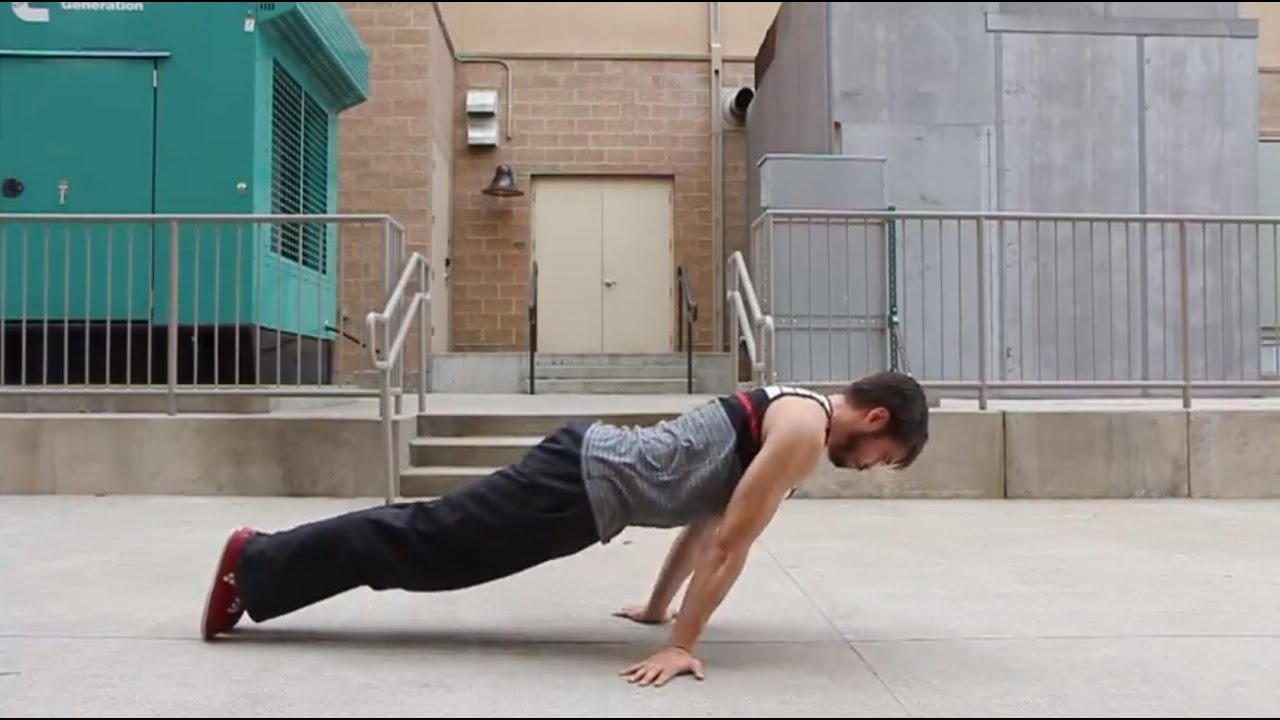
- Grip the handles and extend your legs into a straight plank position.
- Lower your body by bending your elbows, keeping them slightly tucked.
- Descend until your chest goes below hand level for a deeper range.
- Push through your palms to return to the starting position.
- Maintain a straight line from head to heels throughout the movement.
Technical tips
- Keep your core braced to avoid sagging hips.
- Control the descent to maximize muscle engagement.
- Use a neutral wrist position to reduce joint strain.
- Avoid flaring elbows excessively to protect shoulders.
- Ensure full range of motion by lowering below hand level.
Breathing tips
- Inhale as you lower your body.
- Exhale as you push back up.
- Maintain steady breathing throughout the set.
Medical restrictions
- Wrist injuries or pain
- Shoulder impingement or instability
- Elbow tendonitis
- Recent upper body surgery
- Severe lower back pain if unable to maintain plank alignment
Description
The parallettes push-up is an advanced bodyweight exercise that enhances upper-body strength while increasing range of motion compared to traditional push-ups. By elevating the hands on parallettes, this variation allows for a deeper descent, which increases muscular tension and improves overall pressing performance. It is widely used in calisthenics, functional fitness, and strength training programs due to its effectiveness and joint-friendly mechanics.
One of the key advantages of the parallettes push-up is the neutral grip position, which reduces strain on the wrists and allows for more natural joint alignment. This makes it a preferred option for individuals who experience discomfort during floor-based push-ups. Additionally, the increased depth challenges stability and control, helping develop coordination and balance.
This exercise is also highly scalable. It can be modified by adjusting tempo, elevation, or adding resistance, making it suitable for progressive overload. Athletes and fitness enthusiasts often use it to build foundational pressing strength that transfers to more advanced movements.
Incorporating parallettes push-ups into your routine can improve upper-body endurance, enhance movement quality, and support long-term joint health. It is an efficient, versatile movement that fits well into both beginner progression pathways and advanced training protocols.
Read more
Read less
Description
The parallettes push-up is an advanced bodyweight exercise that enhances upper-body strength while increasing range of motion compared to traditional push-ups. By elevating the hands on parallettes, this variation allows for a deeper descent, which increases muscular tension and improves overall pressing performance. It is widely used in calisthenics, functional fitness, and strength training programs due to its effectiveness and joint-friendly mechanics. One of the key advantages of the parallettes push-up is the neutral grip position, which reduces strain on the wrists and allows for more natural joint alignment. This makes it a preferred option for individuals who experience discomfort during floor-based push-ups. Additionally, the increased depth challenges stability and control, helping develop coordination and balance. This exercise is also highly scalable. It can be modified by adjusting tempo, elevation, or adding resistance, making it suitable for progressive overload. Athletes and fitness enthusiasts often use it to build foundational pressing strength that transfers to more advanced movements. Incorporating parallettes push-ups into your routine can improve upper-body endurance, enhance movement quality, and support long-term joint health. It is an efficient, versatile movement that fits well into both beginner progression pathways and advanced training protocols.
Read more Read lessFAQ